The Role of the 1970s Busing in Bostonian Tribalism
Dublin Core
Title
The Role of the 1970s Busing in Bostonian Tribalism
Description
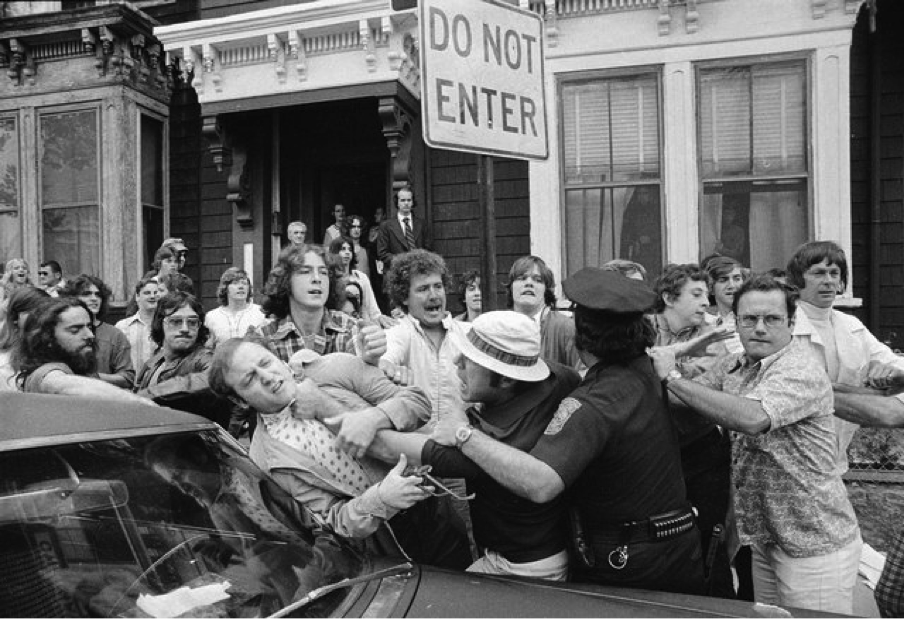
In my final project, a historical paper, I analyze and discuss the context of the 1965 Racial Imbalance Act of Massachusetts, along with the subsequent busing desegregation plan of the 1970s. These events resulted in the many protests and violent acts in affected neighborhoods such as South Boston and Roxbury, which we today associate with the busing crisis. This neighborhood-driven tribalism did not begin with the busing crisis, however. In fact, neighborhood insularity began earlier, solidified by the segregation of public housing projects in the city. The busing crisis was a misinformed attempt at correcting this problem, guided by the idea that “neighborhood schooling” was obsolete. Unfortunately, the sector that suffered most from this governmental experiment was education, and the consequence is an enduring sense of rigid neighborhood tribalism and segregation in the city of Boston to this day.
Creator
Mike Ross
Files
Collection
Citation
Mike Ross, “The Role of the 1970s Busing in Bostonian Tribalism,” USW24, accessed August 3, 2026, https://usworld24.omeka.fas.harvard.edu/items/show/37.